
Out of Order Room: Causes, Costs & Management Tips
An out of order room is any hotel room a property has physically blocked from its sellable inventory because the room is unsafe, broken, or otherwise unusable until staff resolve the underlying problem. For boutique hotels and small short-term rental operators, even one out of order room can mean turning away a paying guest on a sold-out weekend. In addition, a room that stays flagged too long quietly drains revenue that a lean, independent property can rarely afford to lose.
Quick answer: An out of order room is pulled from a hotel's available inventory because of damage, a maintenance fault, or a safety issue. It stays blocked from booking until the problem is repaired, inspected, and signed off by staff, regardless of how high demand is that night.
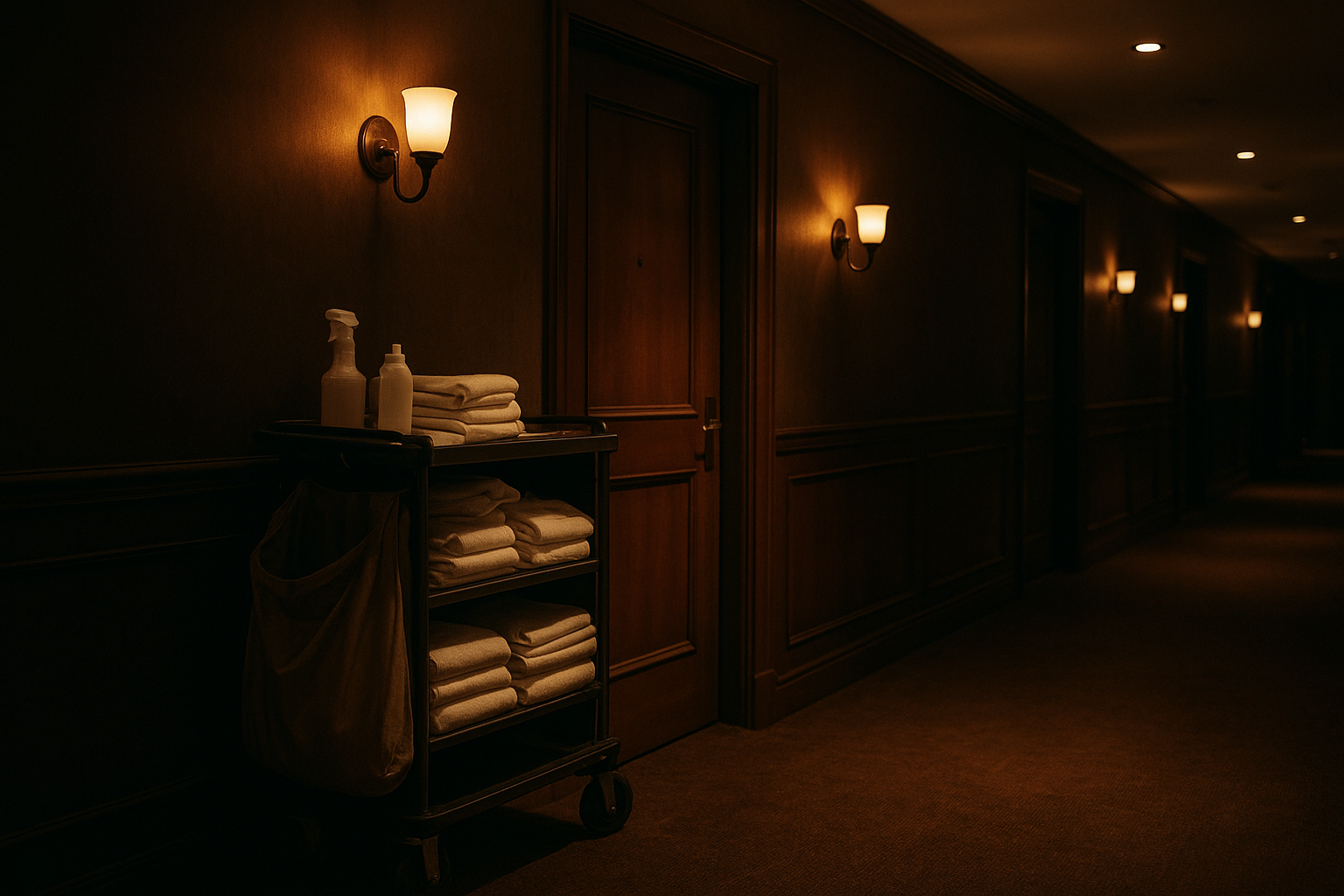
An out of order room stays blocked from booking until maintenance, housekeeping, and the front desk coordinate a fix.
What Does "Out of Order Room" Mean in Hotel Operations?
In hotel operations, an out of order room (often shortened to OOO on a housekeeping report) is a unit the property has deliberately removed from its sellable room count, usually inside the property management system (PMS, the software that tracks bookings, room status, and rates). The flag tells reservations, housekeeping, and the front desk that this room cannot be assigned to any guest, no matter how high demand is that night.
Typically, the reason behind an out of order room involves safety or basic function, not just appearance. A broken lock, a non-working air conditioner in July, or visible water damage all qualify. By contrast, a room that simply needs a routine deep clean between long-stay guests usually gets a shorter "out of service" tag instead, a distinction worth unpacking in detail.
Out of Order Room vs. Out of Service vs. Do Not Disturb
These three terms get used loosely by front-desk staff, yet each describes a completely different situation. Understanding the difference prevents costly mix-ups during a busy shift.
Out-of-Service Room
An out-of-service room is usually a short, planned block: for example, a few hours for a deep clean, a carpet replacement, or a paint touch-up with a known return time. Staff can estimate exactly when it will reopen.
Out of Order Room
An out of order room, however, is open-ended until someone fixes the problem and signs off. Consequently, it carries far more financial risk, because nobody knows exactly when it will return to inventory. A broken HVAC unit might take a day; a mold issue behind a wall might take two weeks. For a 10-to-150-room boutique property, that uncertainty matters far more than it does for a 500-room chain hotel sitting on deep reserve inventory.
Do Not Disturb Room
A do not disturb room is entirely different from an out of order room. It is guest-controlled, the room is occupied and fully sellable, and it simply signals staff to skip housekeeping that day. An out of order room, in contrast, removes an unoccupied room from inventory entirely because of a property problem that must be fixed before anyone can check in.
Where Does the "Out of Order" Status Code Come From?
Most property management systems use a short status code to flag a room, and "OOO" has become the near-universal shorthand in hotel software, including enterprise platforms like Oracle OPERA and smaller cloud-based PMS tools. When a room is marked OOO, the system automatically removes it from the available-to-sell count, blocks it from online booking engines, and typically requires a manager override to reverse the status. Some systems distinguish further with a secondary code for "OOI," or out of inventory, which is used for rooms pulled for long-term renovation rather than an active repair. Knowing which code your PMS uses, and training every front-desk shift on it, is a small detail that prevents a very expensive mistake.
Common Causes of an Out of Order Room
Most out-of-order rooms trace back to a short, predictable list of issues. Understanding them in advance helps a small maintenance team prioritize repairs before they escalate into guest complaints.
✓ HVAC failures: a broken heater or air conditioner, especially damaging during peak season.
✓ Plumbing leaks: dripping ceilings, clogged drains, burst pipes, or failed water heaters.
✓ Electrical faults: outlets, lighting, or key-card locks that stop working.
✓ Pest sightings: any confirmed sighting usually forces an immediate hold until pest control clears the room.
✓ Structural or water damage: stains, mold, or flooring issues left behind by a prior leak.
✓ Renovation or fire-safety compliance work: rooms taken offline to meet code updates, such as smoke detector or sprinkler upgrades.
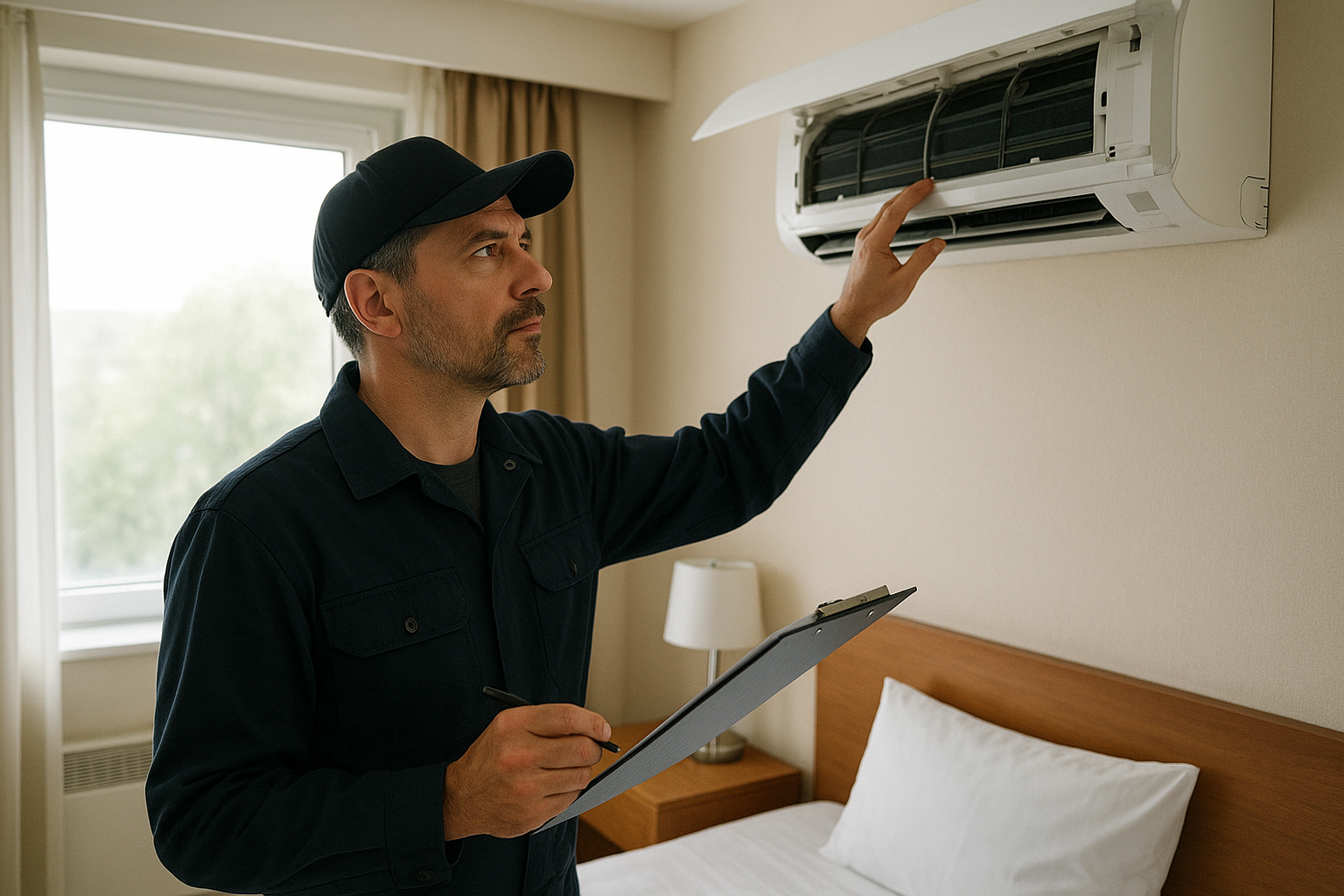
HVAC failures remain one of the leading causes behind an out of order room during peak travel seasons.
Why Boutique and Independent Hotels See More Out-of-Order Rooms
Independent properties, which often operate older buildings with plenty of character but aging infrastructure, see HVAC and plumbing issues more frequently than new-build chain hotels. As a result, a preventive maintenance schedule matters even more for boutique owners than for large brands with full-time facilities teams on call around the clock.
The Real Revenue Cost of an Out of Order Room
Every night an out of order room sits unsold is a night of room rate the property can never recover. For a boutique hotel running near full occupancy during a festival or conference weekend, one blocked room can mean turning away a paying guest entirely, rather than simply offering a discount.
How to Calculate the Cost of an Out of Order Room
The math is straightforward: multiply the average daily rate by the number of nights the room stays offline, then add any compensation given to displaced guests. For example, a 42-room boutique hotel with a $220 average rate that loses two rooms for seven nights during a busy week loses roughly $3,080 in direct room revenue alone, before accounting for lost ancillary spend on food, spa, or tours. Multiply that across a full season of recurring maintenance issues, and the number quickly becomes a line item worth fixing at the root.
Staffing pressure compounds the problem. An American Hotel & Lodging Association and Hireology survey found that 65% of hotels report staffing shortages, with housekeeping (38%) and the front desk (26%) named as the most critical gaps; you can review the full AHLA workforce data for context. In other words, the same lean teams responsible for spotting and fixing a broken room are also stretched thin answering routine guest questions, which slows down how quickly issues get reported and resolved.
Language adds another layer of friction. Research from CSA Research shows that 76% of consumers prefer to engage in their own language, so a guest who cannot describe a broken thermostat in English may simply stay quiet, delaying the report and extending the time the room stays out of order.
How to Track and Manage an Out of Order Room, Step by Step
A clear, repeatable process keeps a maintenance issue from becoming a lost booking or, worse, a guest assigned to a broken room by mistake. Here is the sequence most well-run independent properties follow.
Report and log the issue. As soon as staff or a guest notices a problem, log the room number, the exact issue, and the time it was reported in one shared system everyone can see.
Classify severity and department. Decide whether the problem is minor and fixable same day or serious enough to block the room for multiple nights, then route it to housekeeping, maintenance, or engineering.
Update the room status immediately. Mark the room out of order in the booking system right away so reservations and the front desk cannot accidentally assign or sell that room to an arriving guest.
Communicate across the team and to affected guests. Notify every department that needs to know, and if a guest is displaced, explain the situation in their language and offer a comparable room or compensation promptly.
Inspect, clean, and restore to service. Once the repair is complete, have maintenance confirm the fix, housekeeping perform a full clean, and only then switch the room status back to available for sale.
Properties without a full PMS often manage this manually through a shared log or messaging thread. That approach works at small scale, but it breaks down quickly once a hotel runs multiple departments and international guests at the same time. For a deeper look at tools built specifically for this, see this hotel staff task management software buyer's guide.
Preventing an Out of Order Room Before It Happens
Prevention beats repair every time. A short, consistent checklist catches small problems before they turn into a multi-night out of order room.
✓ Schedule quarterly HVAC servicing; the ENERGY STAR program recommends regular filter and coil checks to prevent sudden system failure.
✓ Inspect plumbing fixtures and water heaters monthly, especially in older buildings.
✓ Test key-card locks and in-room electrical outlets during every deep clean cycle.
✓ Train every housekeeper to log even minor issues, since small leaks and loose fixtures rarely stay small for long.
✓ Give guests an effortless way to report a problem the moment they notice it, rather than waiting until checkout.
Reducing Out-of-Order Downtime With Smart Communication Tools
Most out-of-order delays are not repair delays; they are reporting delays. A guest who notices a leaking faucet at 11 PM often says nothing until checkout, because calling the front desk in a second language feels like work. By the time the issue reaches maintenance, the room has lost an extra night it did not need to lose.
This is the gap Cortesia was built to close. Guests scan a QR code already in their room, no app or login required, and report an issue in their own language across eight supported languages, including right-to-left Arabic. The request lands instantly on a live staff dashboard, translated into the language the team works in, so a maintenance lead in Texas can read a complaint written in Japanese and act on it the same minute. You can see the live setup at cortesia.ai. For properties curious how this fits alongside a broader digital front desk, this QR code hotel concierge guide covers the full setup.
Because the system requires no PMS integration, a boutique hotel can go live in days rather than months, which matters when an out of order room is costing money right now, not next quarter. For properties comparing this approach against other guest-messaging tools, it's worth reviewing how Cortesia compares to Bellboy, how it stacks up against Akia, how it differs from PMS-centric platforms like Cloudbeds, and how it measures up against Duve. Details on data handling and cancellation terms are outlined in the Cortesia terms page.
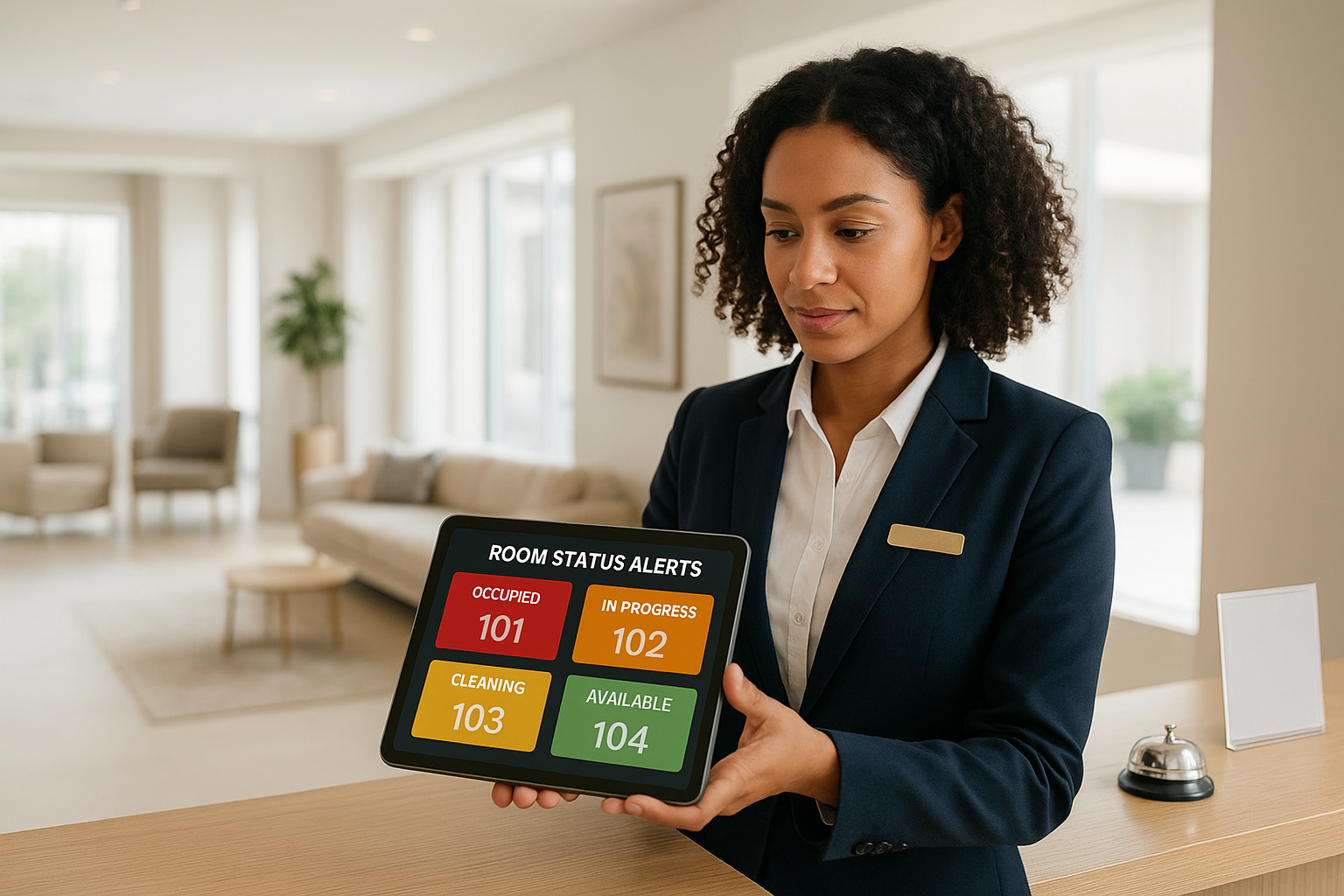
A shared dashboard helps staff spot and resolve an out of order room before it affects a booking.
Turning an Out of Order Room Into a Guest Recovery Win
Sometimes a room goes out of order while a guest is already checked in, or an arriving guest's booked room is suddenly unavailable. In that moment, how staff respond matters more than the mechanical fix itself. Offering a comparable or better room quickly turns a frustrating situation into a positive one, and the same systems that speed up an out of order room fix can speed up a room upgrade request response too. Above all, speed and clear communication, not the size of the gesture, determine whether the guest remembers the hiccup or the hospitality.
Frequently Asked Questions About Out of Order Rooms
What does out of order room mean in a hotel?
An out of order room is a room a hotel has taken out of its sellable inventory because it is unsafe, unsanitary, or unusable until a specific problem is fixed. It cannot be sold or assigned to a guest until staff restore it to service.
What is the difference between an out of order room and an out of service room?
Out of order usually means the room is blocked indefinitely for a serious issue, such as a broken HVAC unit or structural damage. Out of service often describes a shorter, scheduled block, like a deep clean or minor repair with a known return date.
What is the difference between an out of order room and a do not disturb room?
A do not disturb room is guest-controlled, occupied, and still sellable; it only tells staff to skip service that day. An out of order room removes an unoccupied room from inventory entirely because of a property problem that must be fixed.
How long can a room stay in out of order status?
There is no fixed rule; it depends entirely on the repair. A clogged drain might clear an out of order room in an hour, while a mold remediation or plumbing replacement can keep it offline for weeks.
What PMS status code is used for an out of order room?
Most property management systems use "OOO" as the shorthand status code, which automatically removes the room from the available-to-sell count and blocks it from online booking engines until a manager reverses it.
What causes an out of order room most often?
The most common causes are HVAC failures, plumbing leaks, electrical faults, pest sightings, and water damage. Smaller independent properties also see a high share of out-of-order rooms caused by aging fixtures that lack a preventive maintenance schedule.
How do hotels track and update out of order room status?
Most hotels track room status inside their property management system, which flags the room so it cannot be booked. Smaller independents without a full PMS often rely on a shared log, a whiteboard, or a messaging tool that staff update manually.
Does an out of order room count toward hotel occupancy?
No. An out of order room is removed from the available inventory, so it is excluded from both the occupancy count and the room nights available for sale. This directly lowers the number of rooms a hotel can rent that day.
How much revenue does an out of order room cost a hotel?
The cost equals the lost room rate for every night the room sits unsold, plus any compensation given to displaced guests. A 42-room boutique hotel losing even two rooms for a week during a busy period can lose thousands of dollars in direct revenue.
Can staff accidentally assign a guest to an out of order room?
Yes, this happens when room status updates are delayed or scattered across radios, texts, and paper logs instead of one shared system. It is one of the most preventable and most damaging front-desk mistakes in independent hotels.
What is the best way to communicate an out of order room to guests?
Tell affected guests as early as possible, in their own language, and offer a clear alternative such as a room change or a service credit. Clear, fast, translated communication prevents a maintenance issue from becoming a bad review.
Can an out of order room be used for anything, like storage?
Generally, no. Best practice keeps an out of order room fully closed off to staff and guests alike until repairs are complete, since using it for storage can mask new damage or create a safety liability during the inspection.
Who decides when an out of order room goes back into service?
Typically the maintenance lead or engineering manager inspects the completed repair and signs off before housekeeping does a final clean. Only after that inspection should the front desk update the room back to available.
How does Cortesia help with out of order room communication?
Cortesia routes guest-reported issues, such as a broken air conditioner, straight to a live staff dashboard translated into the language the team works in. That lets a lean front desk confirm, log, and resolve an out of order room without juggling phone calls across departments.
How can technology reduce out of order room downtime?
Technology reduces downtime by routing issue reports instantly to the right department instead of waiting for a guest to call the front desk. Faster reporting means faster repairs, which shortens the number of nights a room sits unsold.
Key Takeaways
An out of order room is more than a maintenance detail; it is a direct hit to revenue, guest satisfaction, and staff workload, especially for boutique hotels and short-term rentals running lean teams. The causes are usually predictable, from HVAC and plumbing failures to pest reports, and the fix is largely about speed: report fast, classify correctly, update the system immediately, and communicate clearly across languages and departments. As a result, properties that pair a simple reporting process with the right technology, such as a translated staff dashboard, tend to resolve an out of order room faster and lose far less revenue than those still relying on radios and sticky notes. For independent hotels ready to close that gap, exploring a guest-communication platform built for lean teams at cortesia.ai is a practical next step toward fewer blocked rooms and faster fixes.